


ARISAWA Innovation Center
A vision for the next 100 years
Arisawa Manufacturing was founded in 1909 in Takada, now part of Joetsu City in Niigata Prefecture.
With the production of braids in early years, we have since developed various new materials. Spurring technological innovations to meet the needs of the times, we have bolstered the world of manufacturing that helps make people’s life more comfortable.
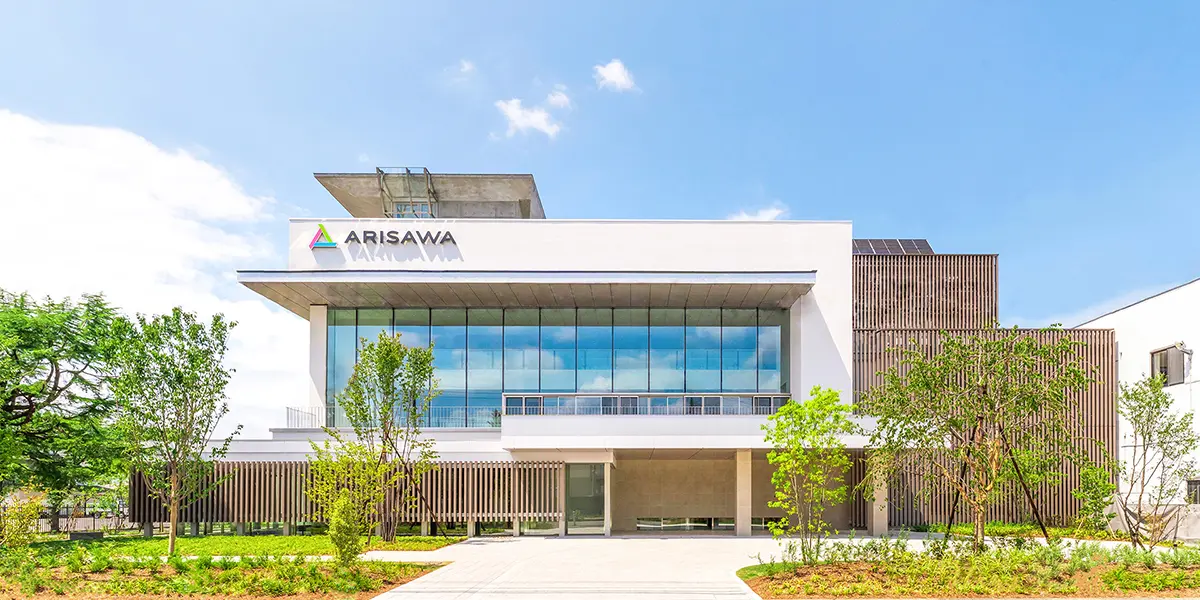
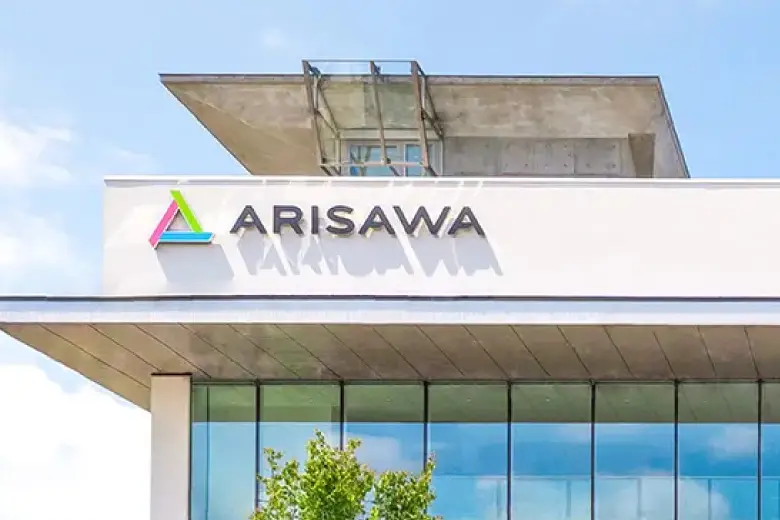
Now, we have set up the Arisawa Innovation Center as our new research and development hub. This environment-friendly center is designed to promote co-creation with other corporations across industries, facilitating continual innovations for the next 100 years, as we evolve.
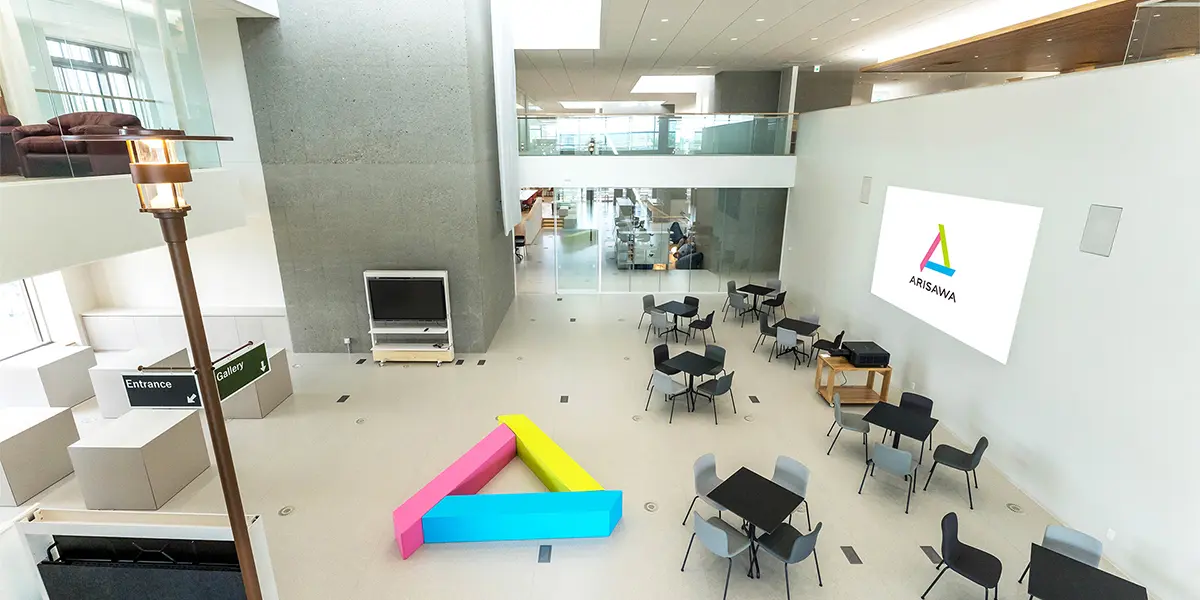
As part of our contribution to society, the center will also be open to the local community for education, social interaction and other purposes.
With the creative spirit we have cherished since the time of founding, we are determined in this birthplace to further evolve with the strength of co-creation and become a pioneer in the future of manufacturing.
Floor Concept
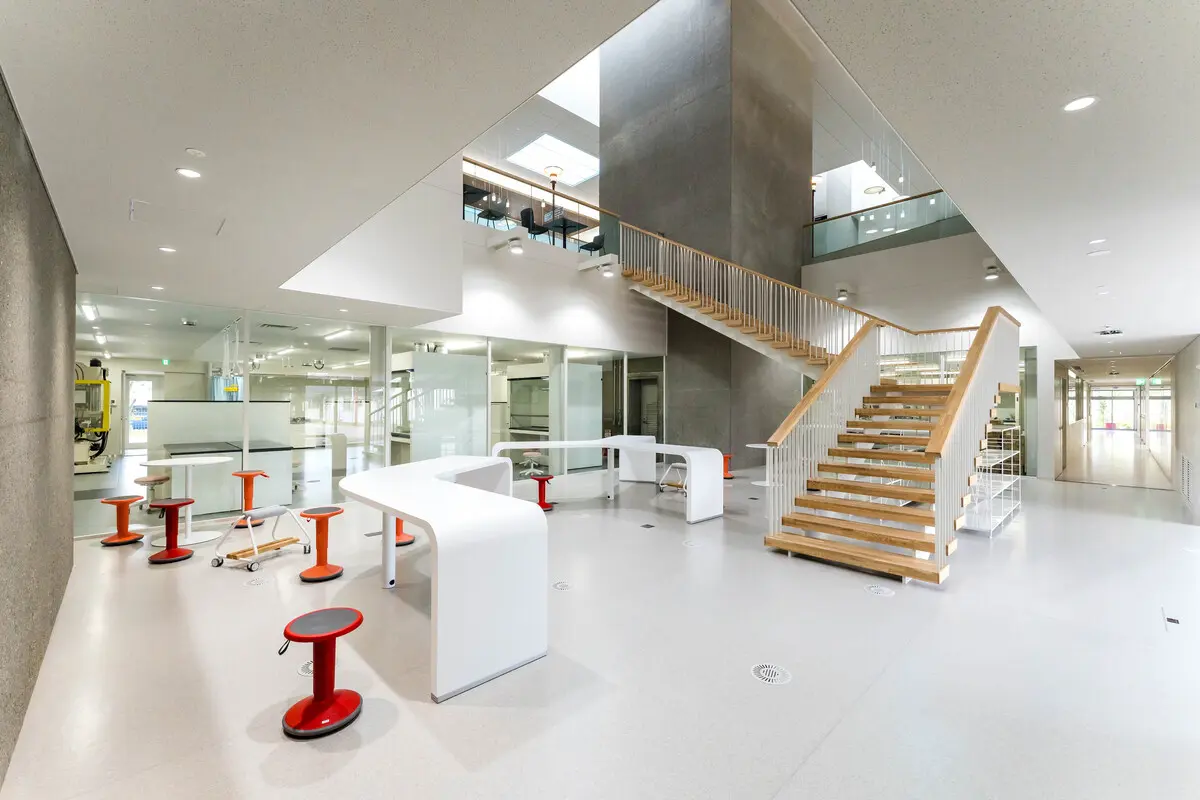
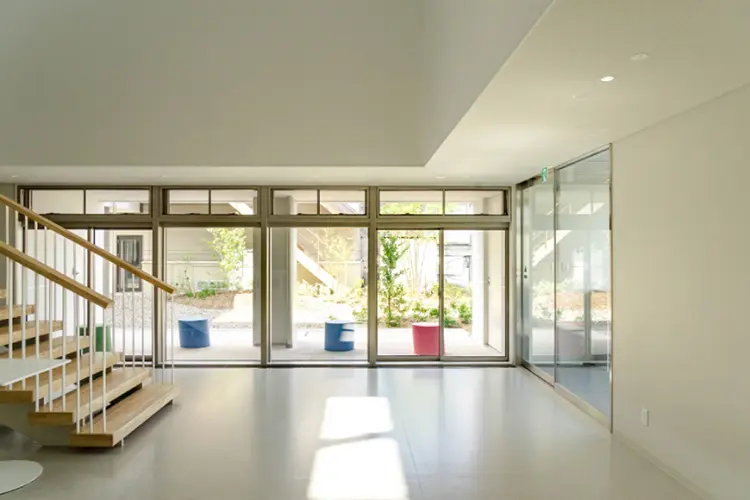
1F To Create
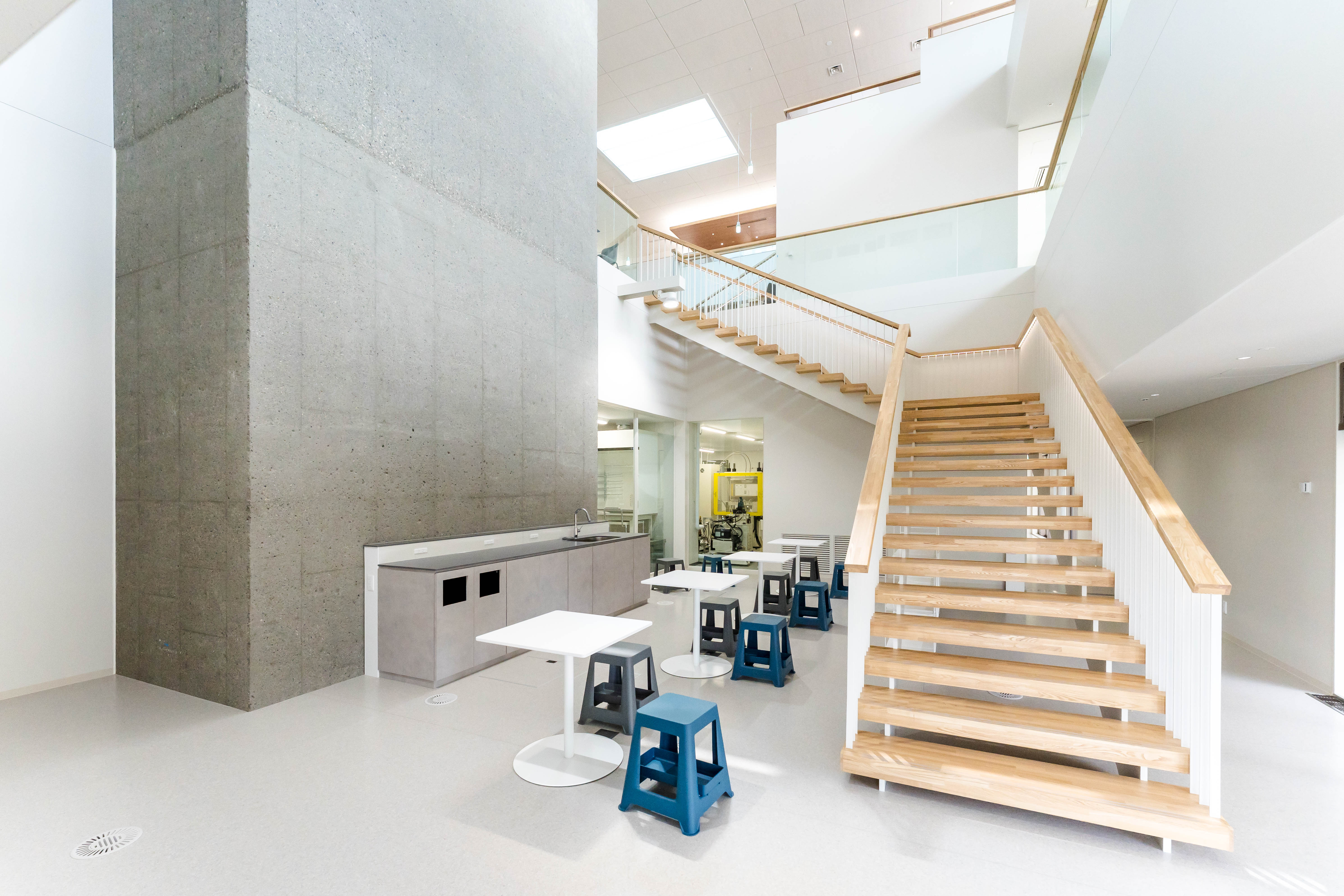
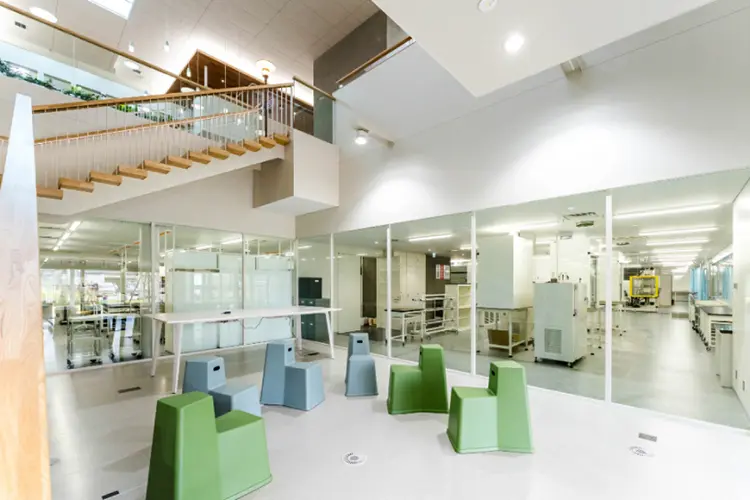
Communications across departmental lines will generate innovations in an unimaginable way. All labs, including ones where technological development is conducted in isolation due to material properties, have glass walls so that people working in the area can observe development processes in other chambers. Inspired by each other’s work, active dialogues will be conducted, exchanging ideas and thoughts. That is indeed what the center is designed for.
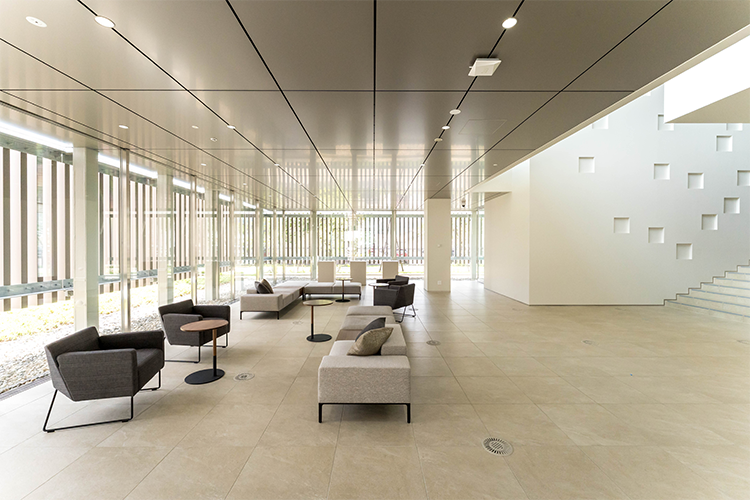
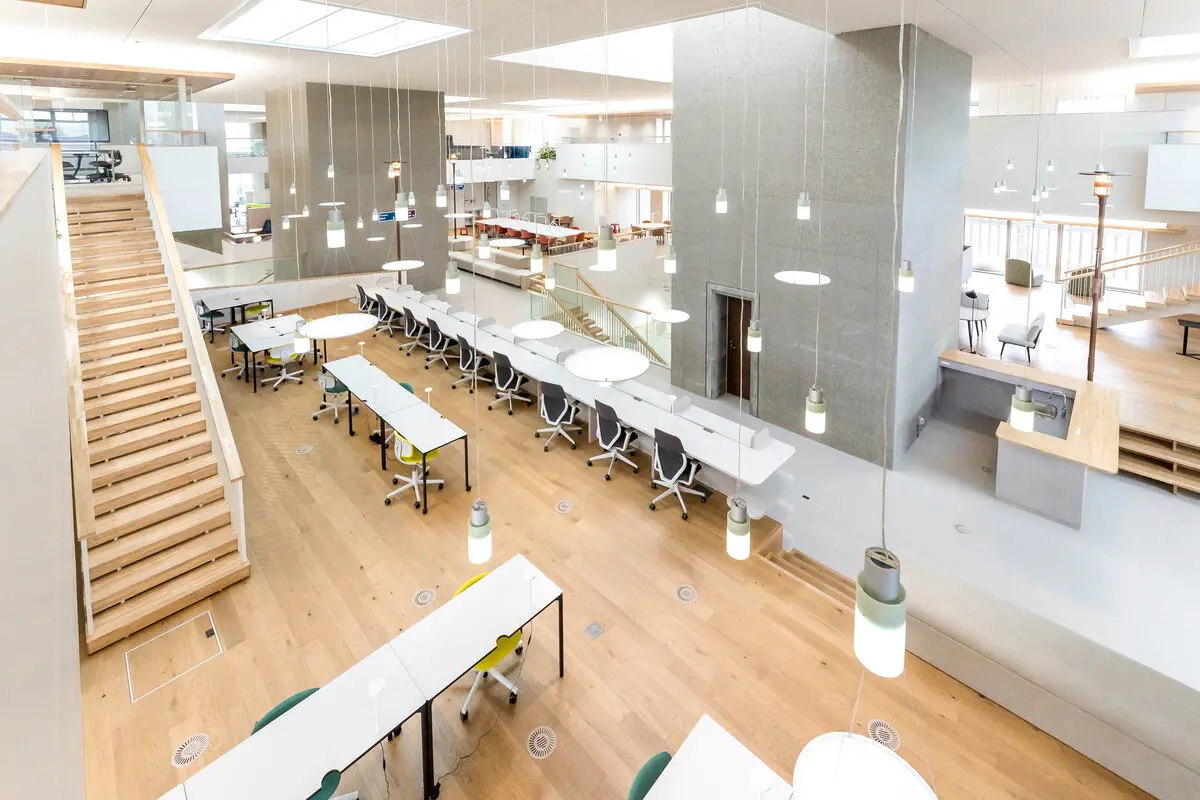
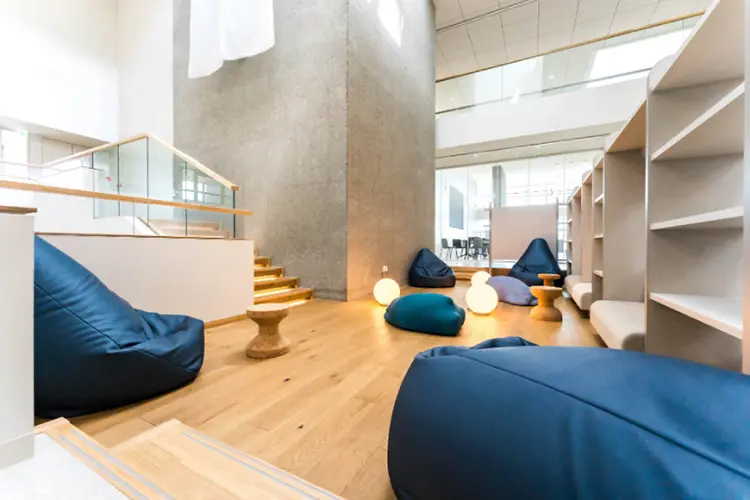
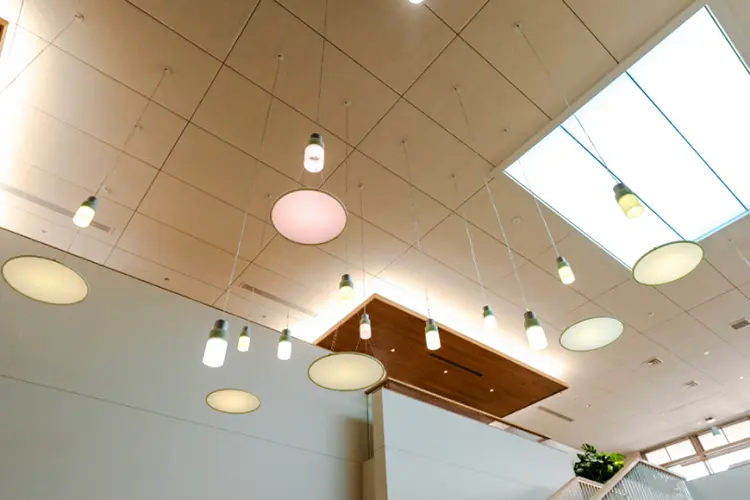
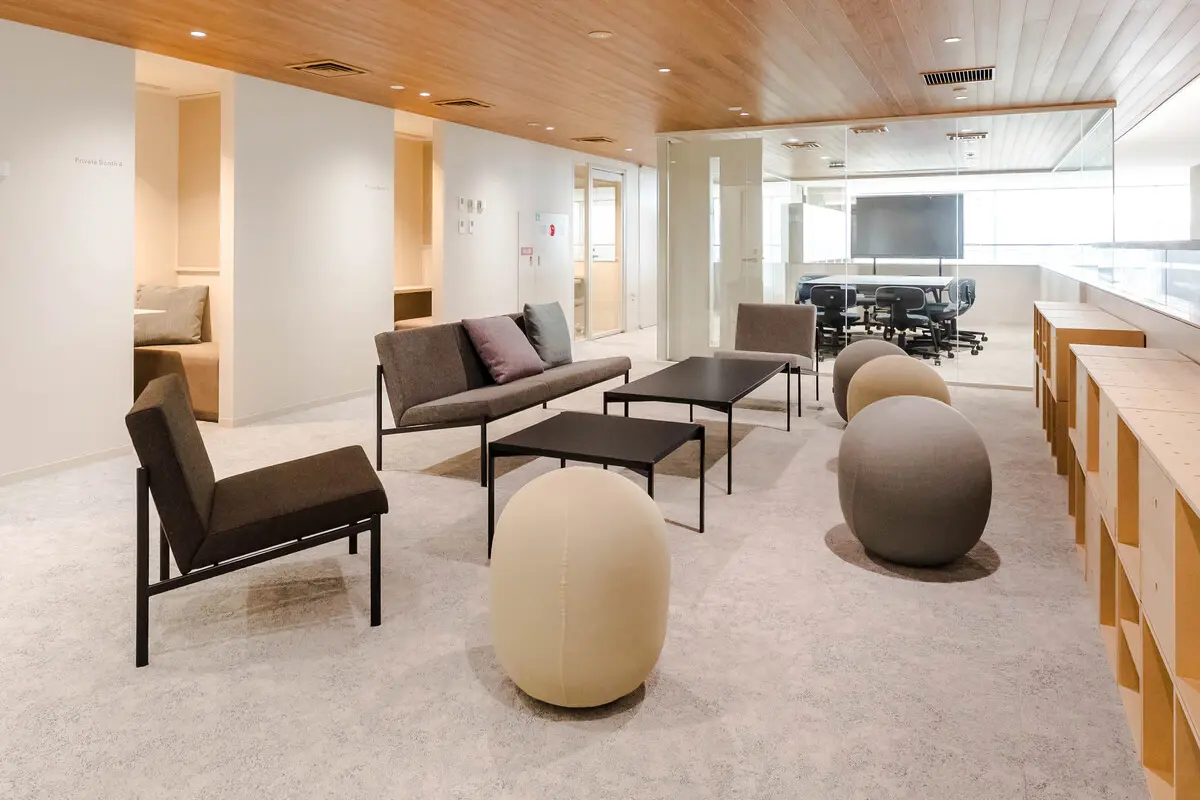
2F To Discuss
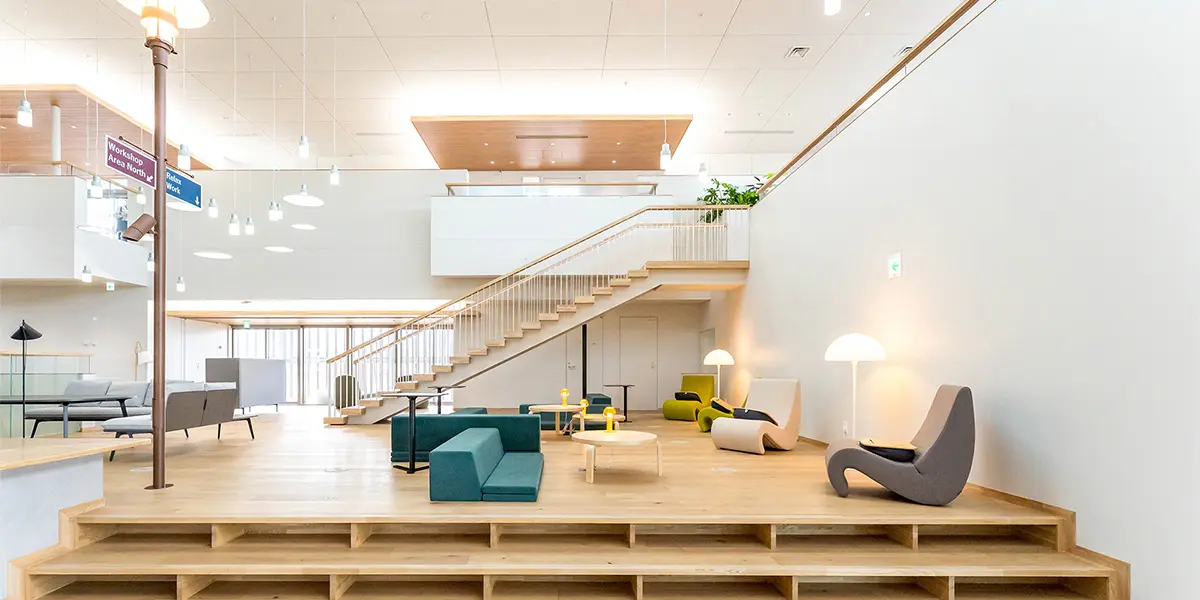
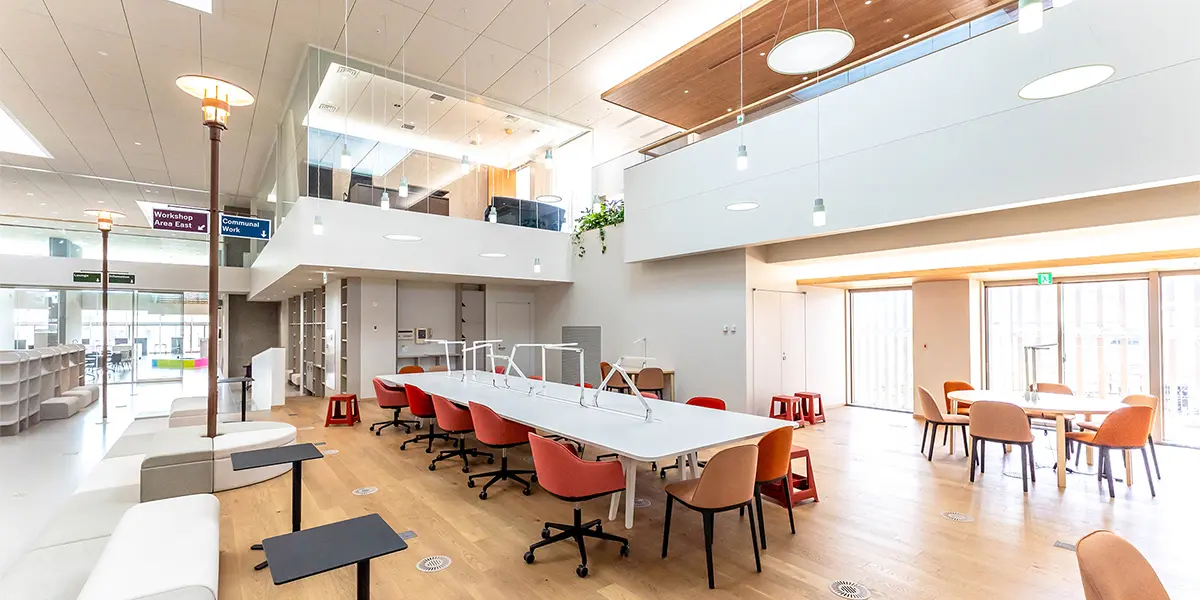
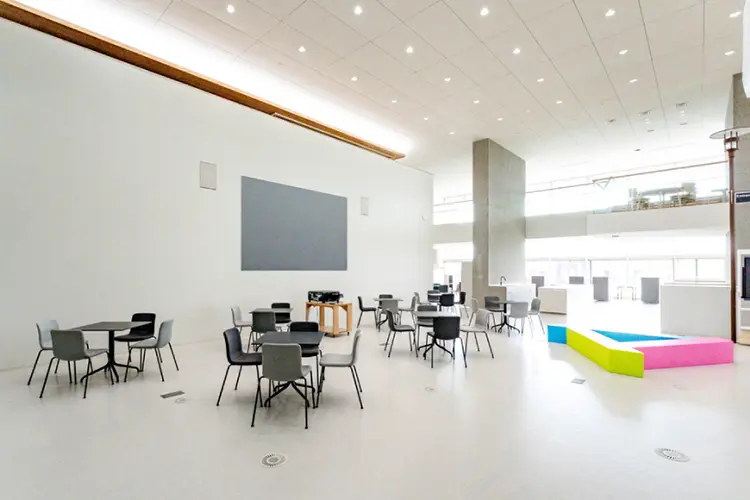
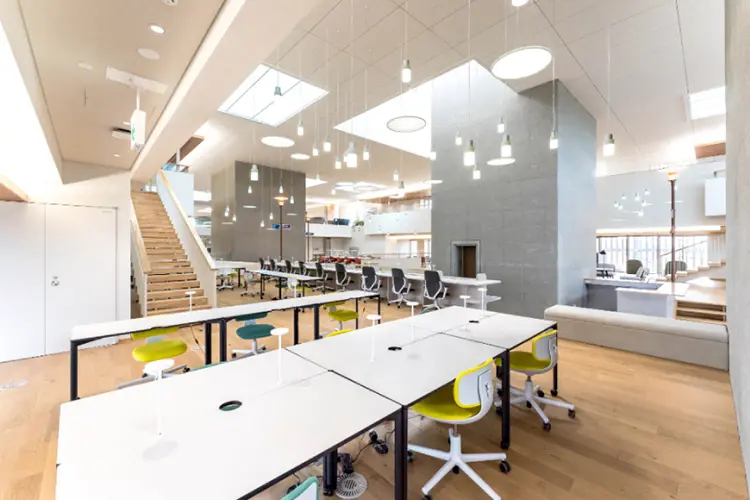
On the second floor, the private area primarily for desk work is situated side-by-side with the public area accessible to visitors from outside the company. In the private area, a free-address system has been adopted to foster spontaneous dialogues across departmental and hierarchical lines. And with the two functionally different areas being next to each other, this floor can be a venue for diverse people to meet and exchange ideas, serving as an initial stage for open innovation.
3F To Review
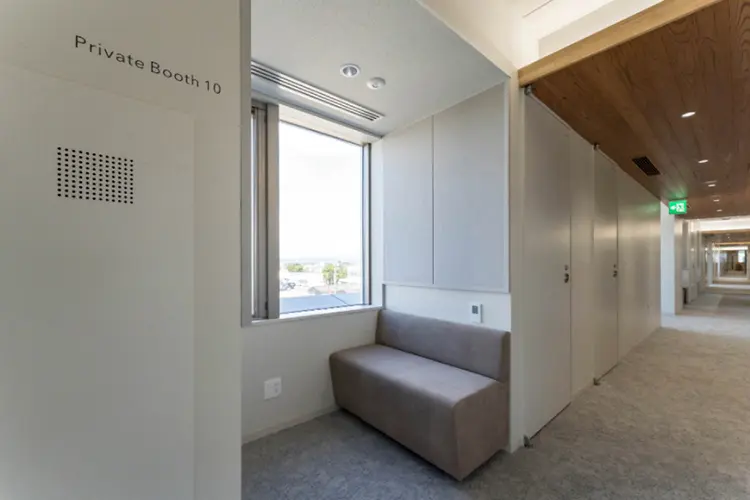
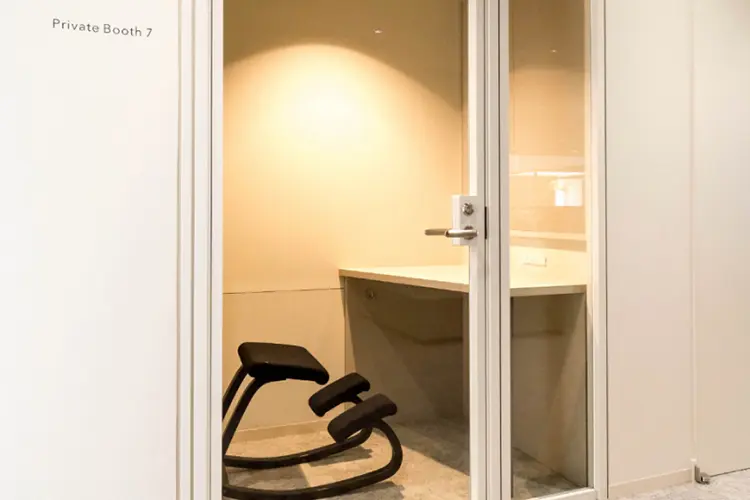
Fourteen private booths are installed on the third floor, in response to the request made by those who participated in workshops concerning the construction of the center. They emphasized the need for small spaces where they can privately review their daily work, contemplating the progress they made in their creative work and what they discussed with others afterward. This setup is designed to help generate new ideas.
Architectural Concept
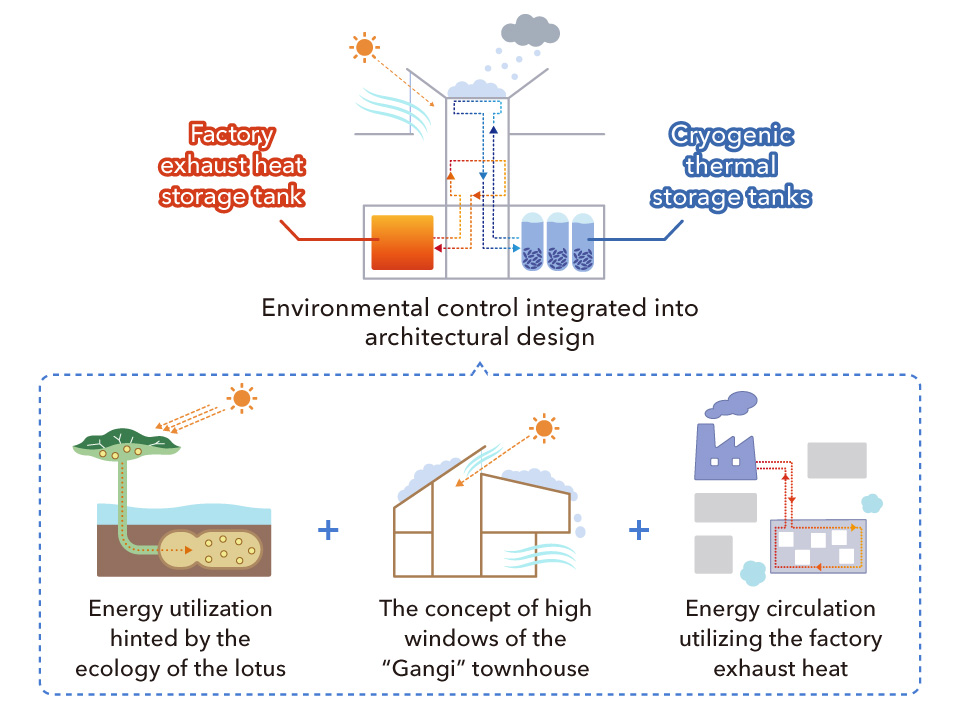
The architectural design of this center was inspired by the rich nature and history of Takada, particularly lotus flowers at Takada Castle Site Park – often called the finest in the East – and traditional “Gangi” townhouses. Incorporated into the design are the functions of lotus leaves, stems and roots, as well as the way “Gangi” townhouses effectively use the natural light and breeze. It also is designed to utilize factory exhaust heat that has been discarded, in an effort to maximize our environmental consideration.
-
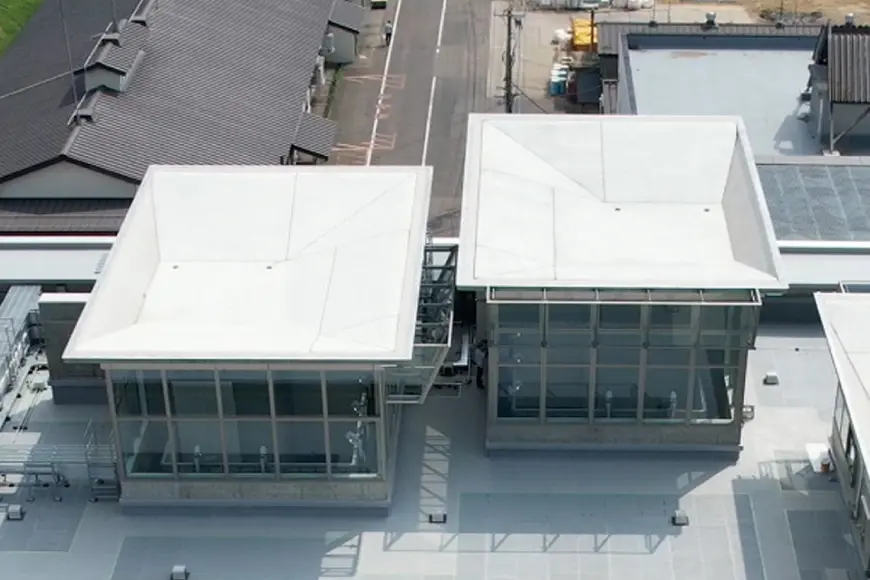
Lotus roofs
“Lotus roofs,” built in the motif of lotus leave, extract thermal energy from snow accumulated on the roofs, transferring and storing it in cryogenic thermal storage tanks (the lotus root section) in basement for air conditioning in summer. Instead of disposing snow, we have created a modern-day version of “snow cavern.”
-
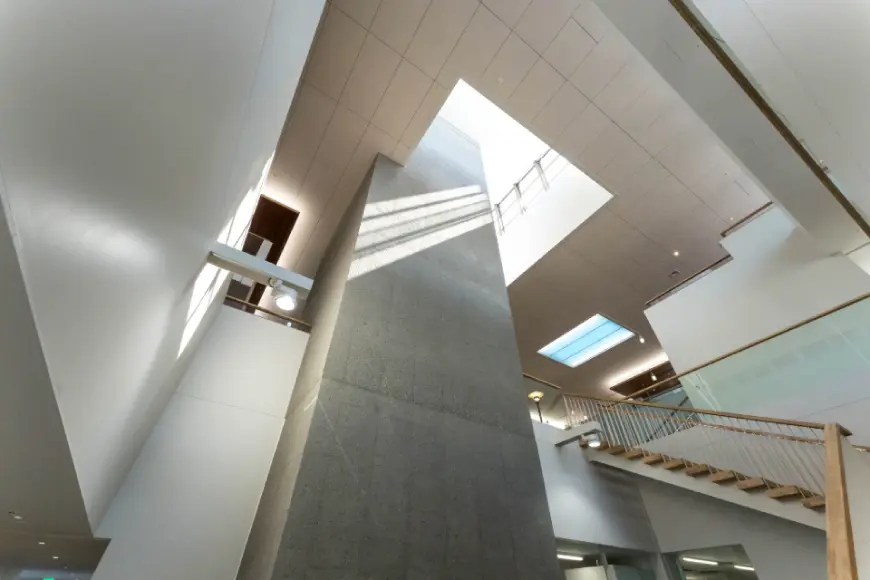
Shafts
Each shaft serves as a pathway to the storage tanks in basement for cryogenic energy extracted from snow on the lotus roof and also for factory exhaust heat. In summer, it utilizes the cryogenic energy stored during winter for wall radiant cooling, and in winter, it takes in factory exhaust heat for wall radiant heating, contributing to energy conservation throughout the year.
-
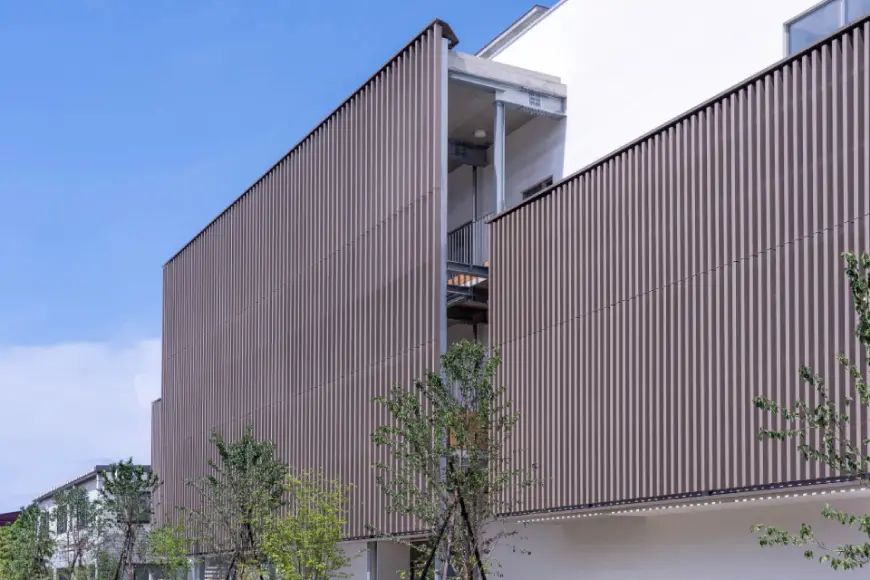
Louver fences
Louver fences effectively block sunlight, wind and rain, as well as views from the outside. Louvers are made of drawing materials produced by Arisawa Sogyo, one of our group companies. They are specially designed for this center and have a special surface coating to enhance weather resistance.
Access
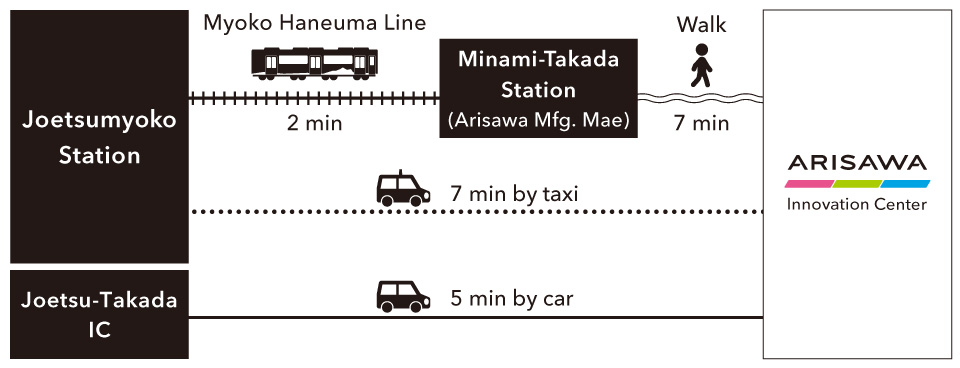
ARISAWA Innovation Center
Oaza-Nakadahara 1, Joetsu-shi, Niigata-ken 943-0882, JapanTEL: +81-(0)25-524-7487 FAX: +81-(0)25-524-1264